 EN
EN


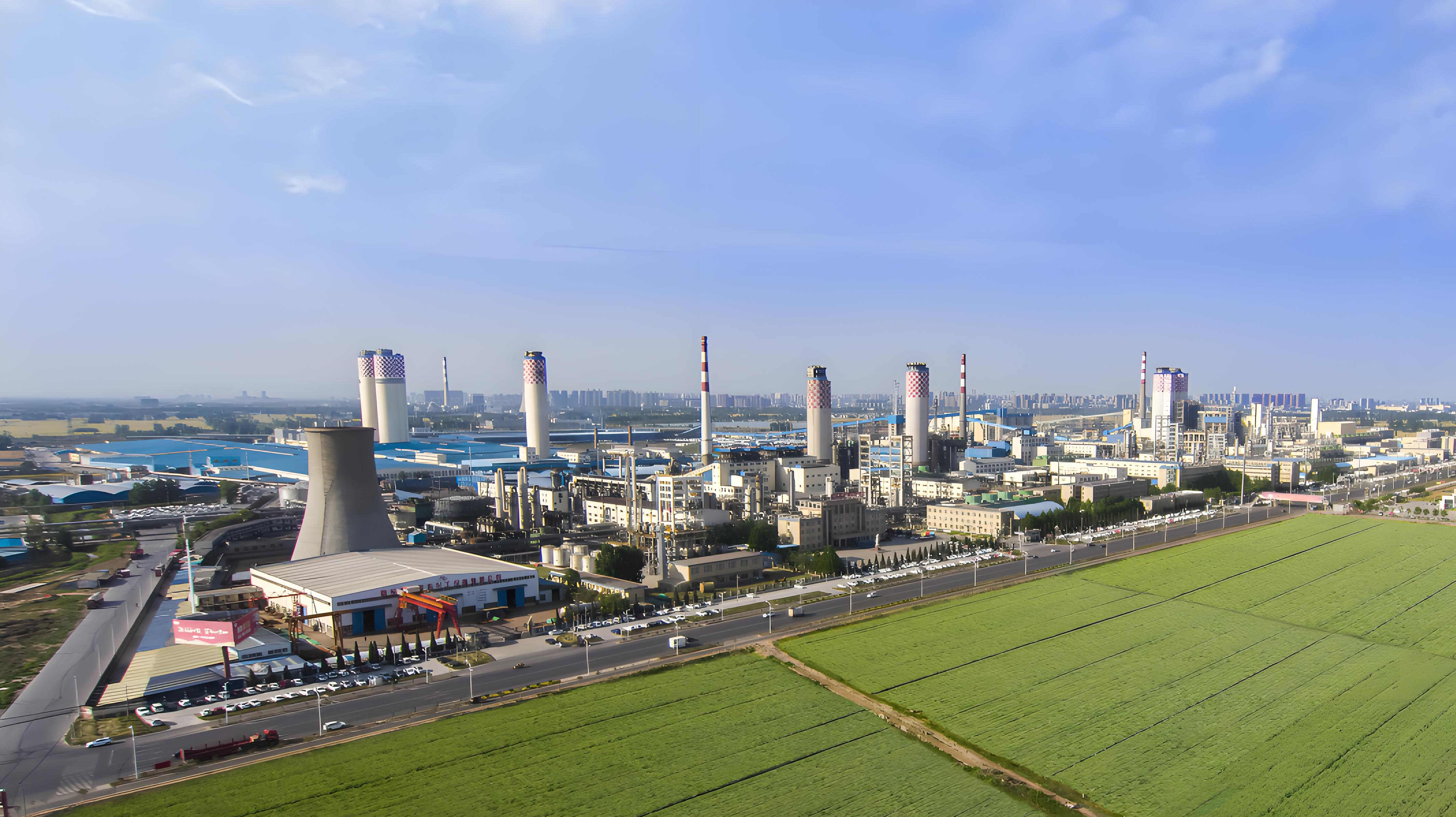
When an environmental protection system leaves the factory, the work is far from finished.
Between equipment delivery and stable long-term operation, there are multiple stages to manage: engineering design, manufacturing, installation, commissioning, operation, maintenance, and future upgrades. Traditionally, these responsibilities may be divided among different contractors. One company supplies the equipment, another handles installation, and another provides operation and maintenance.
When something goes wrong, the plant operator may end up coordinating between several parties.
The industrial environmental protection market is changing. As new project construction gradually gives way to the optimization and upgrading of existing facilities, customers are looking for more than equipment that meets specifications. They need systems that can be built efficiently, operated reliably, and managed over the long term.
This is where a full-lifecycle service model becomes important.
For MingSheng Environmental Protection, environmental engineering is not simply about delivering an industrial air pollution control system. It is about taking responsibility for the system throughout its operating life.
From Engineering Design to Operation: One Integrated Chain
MingSheng has spent more than two decades working in industrial flue gas treatment, developing an integrated business model covering R&D and engineering design, equipment manufacturing, EPC contracting, and intelligent operation and maintenance.
The project begins before equipment selection.
Engineers first consider the actual operating conditions of the facility, including flue gas composition, coal quality, operating parameters, and site conditions. These factors determine the appropriate process configuration and equipment requirements.
MingSheng’s ecological research and engineering capabilities support the design stage, while its own manufacturing and installation teams participate in subsequent stages.
This creates a direct connection between design and implementation.
The company manufactures core and customized equipment, carries out installation, and provides commissioning services. Its capabilities cover equipment such as towers, flue gas ducts, and pressure vessels.
The advantage of this structure is straightforward: the people responsible for design understand manufacturing requirements, while the manufacturing and installation teams understand how the system needs to perform in actual operation.
That continuity can reduce communication gaps between different contractors and make project coordination more direct.
According to MingSheng, its integrated service system has supported more than 200 large enterprises and delivered more than 500 engineering projects across over 20 industries, including chemical manufacturing, power generation, steel, and coking.
When Project Delivery Has to Move Fast
Environmental engineering projects do not always take place under ideal conditions.
In some cases, existing facilities need urgent modifications because of changing environmental requirements or operational problems. The challenge is then not simply to complete the project, but to complete it within a very limited shutdown window.
MingSheng has accumulated experience with projects requiring accelerated delivery.
For an emergency flue gas desulfurization retrofit at a heating plant in Shanxi, the company completed the project in 20 days. At a chemical plant in Shenyang, an ammonia-based flue gas desulfurization project featuring two absorption towers was completed in 80 days.
MingSheng also reports that an early ultra-low-emission ammonia-based flue gas desulfurization project was brought from site mobilization to compliant operation within 100 days.
These delivery records were supported by the company's own manufacturing base, installation teams, and commissioning personnel. Instead of waiting for multiple external suppliers and subcontractors to coordinate their schedules, the different parts of the project can be organized within one integrated system.
Since 2005, MingSheng reports a 100% successful project start-up rate.
Operation and Maintenance Is Part of the Responsibility
For many industrial companies, the pressure begins after an environmental facility has been commissioned.
Is the emission level consistently compliant? Are operating records complete? Can the system respond quickly when regulators conduct an inspection? Are operating costs under control?
These are ongoing responsibilities, not commissioning-stage questions.
MingSheng therefore extends its services beyond project delivery through professional operation and maintenance teams.
Experienced specialists can remain on site and manage daily operation, with a focus on stable environmental performance and energy-efficient operation. Intelligent monitoring systems provide real-time visibility into environmental system performance, while automated process control supports more consistent operation.
Remote monitoring can also allow environmental performance and system conditions to be reviewed without requiring every issue to be handled through on-site coordination.
This creates another important link in the full-lifecycle model: the engineering team does not simply disappear after commissioning.
Following project delivery, MingSheng’s R&D and engineering teams continue to provide technical upgrades at no additional charge, helping operating systems adapt to increasingly stringent emission requirements.
The company also states that environmental compliance and safety responsibilities during the operation period are undertaken by its operation and maintenance service team.
For plant owners, this can shift part of the environmental management workload from internal production teams to a dedicated professional service team.
From FGD Systems to Broader Air Pollution Control
Although flue gas desulfurization remains an important part of industrial emission control, modern environmental projects often involve multiple pollutants and treatment processes.
Depending on the industry and operating conditions, facilities may require desulfurization, denitrification, dust removal, VOC control, or combinations of different technologies.
This is why an integrated air pollution control capability matters.
MingSheng's experience covers industrial flue gas treatment and includes technologies such as ammonia-based desulfurization and denitrification systems. By combining process design, equipment manufacturing, engineering implementation, and long-term operation services, the company can approach environmental control as a complete system rather than a collection of individual pieces of equipment.
Technology Backed by Long-Term Experience
MingSheng's technical capabilities have also received recognition from industry and professional organizations.
According to the company, its core technology was evaluated by experts including Academician He Ji-Ming of the Chinese Academy of Engineering in 2016 and was assessed as reaching an internationally advanced level.
The group has also accumulated 136 national-level patents and has been recognized as a National-Level Specialized and Innovative “Little Giant” Enterprise and a High-Tech Enterprise. It has received the first prize of the Shandong Patent Award and recognition associated with the Polaris Cup industrial flue gas treatment industry.
Its products and services have also entered overseas markets, including Southeast Asia and the United States.
These developments reflect a broader transition in the environmental protection industry: customers increasingly need not only technology, but also the ability to deliver and operate that technology over time.
The Real Test Begins After Commissioning
For an environmental protection system, project acceptance should not be viewed as the final milestone.
The more meaningful test comes afterward: day-to-day operation, stable emission control, manageable operating costs, regulatory compliance, and the ability to adapt to new requirements.
This is the thinking behind MingSheng Environmental Protection's full-lifecycle service model.
From engineering design and equipment manufacturing to EPC delivery, commissioning, operation, maintenance, and technical upgrades, the company keeps more of the project chain within one organization.
The equipment may have a delivery date.
Clean air does not.
For MingSheng, completing a contract is therefore not the end of its responsibility. It is the starting point of long-term service.