 EN


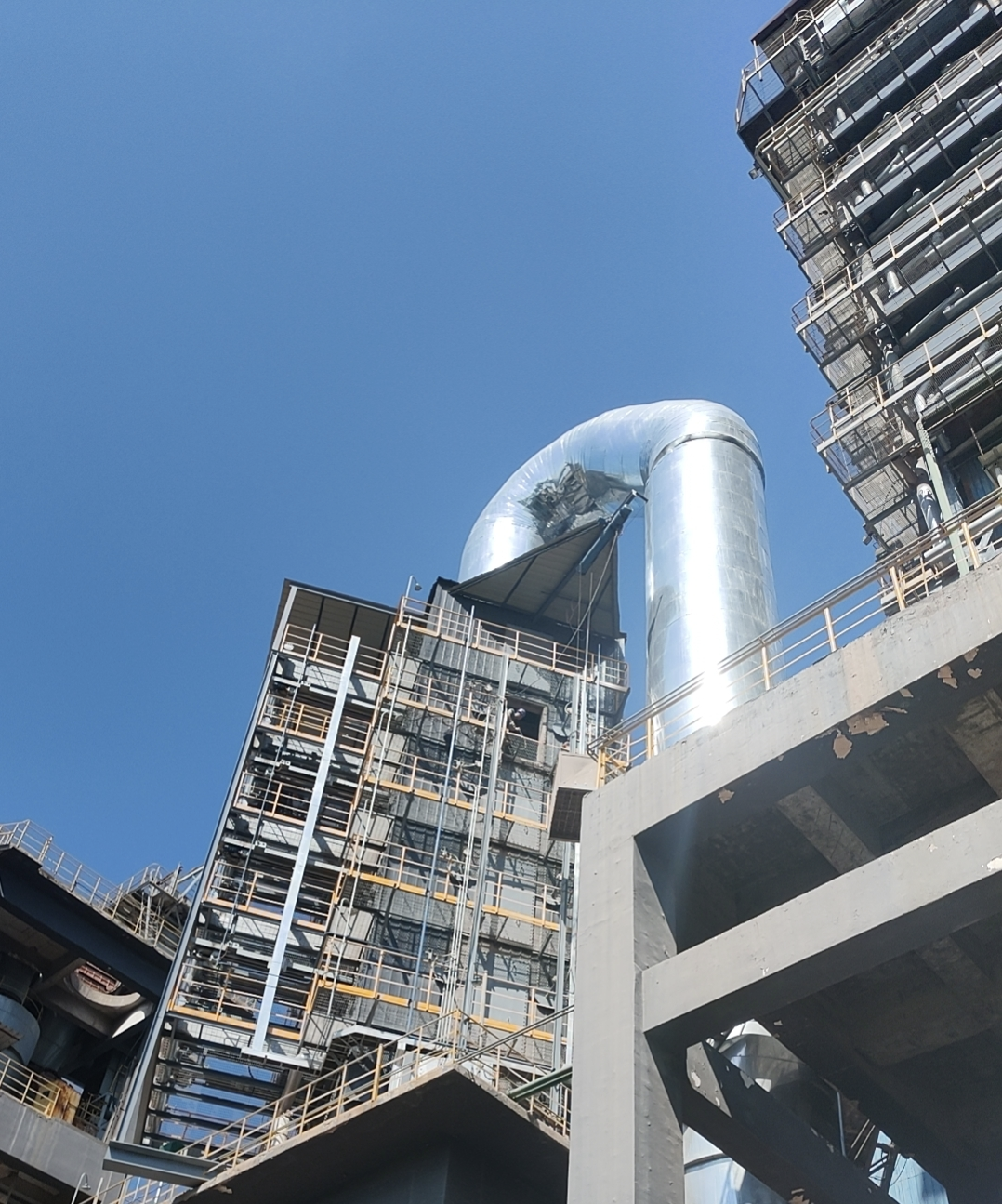
For combined heat and power (CHP) plants, the heating season is one of the busiest periods of the year. Boiler loads increase, flue gas volumes rise, and flue gas desulfurization (FGD) systems operate continuously under demanding conditions.
At the same time, large quantities of desulfurization gypsum are generated. Depending on plant capacity and operating conditions, daily output can reach tens or even hundreds of tonnes. The material needs to be stored, transported, and eventually utilized or disposed of.
For plant operators, this is more than an environmental management issue. It is also a seasonal operating cost that becomes particularly noticeable when fuel procurement and heat supply requirements are already putting pressure on cash flow.
The Growing Cost of Desulfurization Gypsum
The economic value of desulfurization gypsum varies considerably across regions. Local demand for construction materials, transportation distances, and product quality all influence whether gypsum can be sold, transferred, or disposed of at a cost.
Recent project figures illustrate the difference.
During the 2025–2026 heating season, Weihai Thermal Power Group's gypsum removal project recorded a base price of -RMB 30 per tonne and an additional value-based price of -RMB 15 per tonne. In practical terms, the plant had to pay for gypsum removal.
By comparison, Chengde Longxiao Heating set a maximum price of RMB 66.7 per tonne for its 2026–2027 gypsum disposal project. Hebei Huadian Shijiazhuang Yuhua Thermal Power paid RMB 56.1 per tonne for gypsum disposal during February and March 2026. Jiangsu Jiayi Thermal Power recorded a bid price of RMB 155 per tonne for its 2026 desulfurization gypsum project.
These figures show how different the economics can be from one location to another. However, the broader challenge remains the same: gypsum production is concentrated during the heating season, and plants must arrange storage, transportation, and disposal even when market demand is limited.
As solid-waste management requirements become more stringent, these costs deserve greater attention in long-term FGD system planning.
Carbon Costs Add to the Pressure
Gypsum disposal is only part of the operating cost equation. Carbon management is becoming another important consideration for power and heating companies.
According to the figures cited in the original industry analysis, China's national carbon allowance prices fluctuated between approximately RMB 96.5 and RMB 100 per tonne in August 2026, compared with an average daily closing price of RMB 63.27 per tonne in December 2025.
The chemical reaction involved in limestone-based desulfurization also releases CO₂. The estimated figure is approximately 0.75 tonnes of CO₂ for every tonne of sulfur dioxide absorbed.
As carbon costs receive greater attention, this reaction-related emission becomes another factor worth considering when evaluating desulfurization technologies.
For CHP plants, gypsum disposal and carbon-related costs are increasingly interconnected. Both affect the economics of maintaining environmental compliance over the long term.
Ammonia Desulfurization: From Gypsum Production to Ammonium Sulfate Recovery
Ammonia-based flue gas desulfurization offers a different approach to sulfur dioxide removal.
Instead of using limestone as the absorbent and producing gypsum as the main by-product, the process uses ammonia to absorb SO₂ and produces ammonium sulfate.
This creates an opportunity to connect industrial flue gas treatment with the fertilizer market.
The timing is particularly relevant for CHP plants. The heating season generally comes to an end between late February and March, which coincides with an important period for spring fertilizer preparation in China.
Several industrial enterprises have already demonstrated the potential of this approach.
In April 2026, Zhongtian Hechuang reported on the production of ammonium sulfate through the resource utilization of thermal power plant flue gas. Yangzi Petrochemical's thermal power division uses ammonia desulfurization to convert boiler flue gas SO₂ into ammonium sulfate, adjusting product output according to boiler load. By March 2026, Zhong'an United had supplied more than 3,000 tonnes of ammonium sulfate to downstream compound fertilizer manufacturers.
These examples illustrate how by-product recovery can become part of a broader industrial resource utilization strategy.
Why the Spring Fertilizer Market Matters
Market prices provide further context for the potential value of ammonium sulfate.
At the end of February 2026, the average ex-factory price of coking-grade ammonium sulfate in Shandong was approximately RMB 1,087.5 per tonne, while caprolactam-grade ammonium sulfate was around RMB 1,180 per tonne.
By late April 2026, mainstream prices for power plant and coking by-product ammonium sulfate had reached approximately RMB 1,480–1,600 per tonne. Power plant-grade ammonium sulfate in Shandong was priced at around RMB 1,595 per tonne.
The end of the heating season therefore overlaps with a period when fertilizer demand can support the utilization of recovered ammonium sulfate.
Of course, market prices alone do not determine project profitability. Product quality, ammonia consumption, recovery costs, storage capacity, transportation, and local market conditions all need to be considered.
Nevertheless, the comparison highlights an important difference between the two FGD routes:
Limestone-gypsum FGD: Produces gypsum, which may involve storage, transportation, utilization, or disposal costs.
Ammonia-based FGD: Produces ammonium sulfate, which may have commercial value when it meets relevant fertilizer specifications and has access to a suitable market.
Calcium-to-Ammonia Conversion: An Upgrade Path for Existing Plants
For CHP plants already operating limestone-gypsum FGD systems, switching to ammonia desulfurization does not necessarily mean demolishing the existing tower and starting from scratch.
Calcium-to-ammonia conversion provides a potential upgrade pathway. Depending on the condition and configuration of the existing installation, suitable towers, foundations, buildings, and related equipment may be reused. This can help control investment requirements while upgrading the treatment process.
MirShine Group has developed calcium-to-ammonia conversion technology for industrial flue gas treatment. Its reported technical performance includes:
SO₂ removal efficiency of more than 99.5%.
Ammonia recovery rate of at least 99%.
Ammonium sulfate product meeting agricultural fertilizer standards.
The retrofit approach is designed to make maximum use of suitable existing desulfurization towers and plant buildings, with the actual modification scope determined by site conditions and engineering assessments.
For CHP operators, the value of this approach goes beyond replacing one desulfurization process with another. It creates an opportunity to reconsider the relationship between emission control, by-product management, and operating economics.
Making Better Use of the Heating Season
The heating season places considerable demands on CHP plants. Operators must maintain reliable heat supply while ensuring that flue gas treatment systems remain stable and compliant.
Under conventional calcium-based desulfurization, large quantities of gypsum are generated during this period, potentially creating significant disposal costs. Ammonia desulfurization offers another possibility: converting the sulfur removed from flue gas into ammonium sulfate, a product that may enter the fertilizer market after the heating season.
For industrial operators, the key question is no longer simply where to send the gypsum generated during winter.
It is whether the sulfur removed from flue gas can become a recoverable resource rather than another item of operating expenditure.
Table of Contents
- The Growing Cost of Desulfurization Gypsum
- Carbon Costs Add to the Pressure
- Ammonia Desulfurization: From Gypsum Production to Ammonium Sulfate Recovery
- Why the Spring Fertilizer Market Matters
- Calcium-to-Ammonia Conversion: An Upgrade Path for Existing Plants
- Making Better Use of the Heating Season